
Key Takeaways
- A full body workout frequency of three times per week maximizes Muscle Protein Synthesis (MPS) for optimal growth.
- Balancing high-intensity sessions with structured recovery cycles prevents overtraining and metabolic fatigue.
- Integrating compound movements with tools like resistance bands ensures consistent progressive overload.
Traditional bodybuilding lore often dictates that splitting muscle groups across separate days is the only path to hypertrophy. However, sports science reveals a more efficient alternative: the full body workout. By hitting every major muscle group in a single session, athletes can increase the frequency of stimulation, leading to superior adaptations in strength training and metabolic health. When you train the whole body, you trigger a systemic hormonal response that localized split routines often fail to replicate.
The Science of Frequency and Muscle Protein Synthesis
The primary driver of muscle growth is Muscle Protein Synthesis (MPS). Following a rigorous session of strength training, MPS remains elevated for approximately 24 to 48 hours. In a typical body-part split where you hit chest once a week, that muscle spends five days in a stagnant state. Conversely, a full body workout allows you to re-stimulate those fibers just as the growth window begins to close.
To achieve the best results, a frequency of three non-consecutive days per week is recommended. This allows for the integration of HIIT vs. Steady State Cardio on off-days or as finishers to enhance cardiovascular capacity without compromising recovery.
Comparing Modalities: Full Body vs. Split Routines
Choosing between a full body approach and a split routine (such as Push/Pull/Legs) depends on your schedule and recovery capacity. Below is a comparison to help determine which fits your lifestyle.
| Feature | Full Body Routine | Split Routine (PPL) |
|---|---|---|
| Frequency per Muscle | 3x Per Week | 1-2x Per Week |
| Time Commitment | High Efficiency (3 days) | High Volume (5-6 days) |
| Recovery Window | 48 Hours between sessions | Variable (localized) |
| Fat Loss Potential | High (greater caloric burn) | Moderate |
Sample 3x Weekly Full Body Workout Plan
This plan, developed by professional trainers, focuses on compound movements that recruit the most motor units. You can perform this using free weights or supplement with resistance bands to maintain tension throughout the range of motion.
- Squats or Deadlifts: 3 Sets of 8-10 Reps (Foundation)
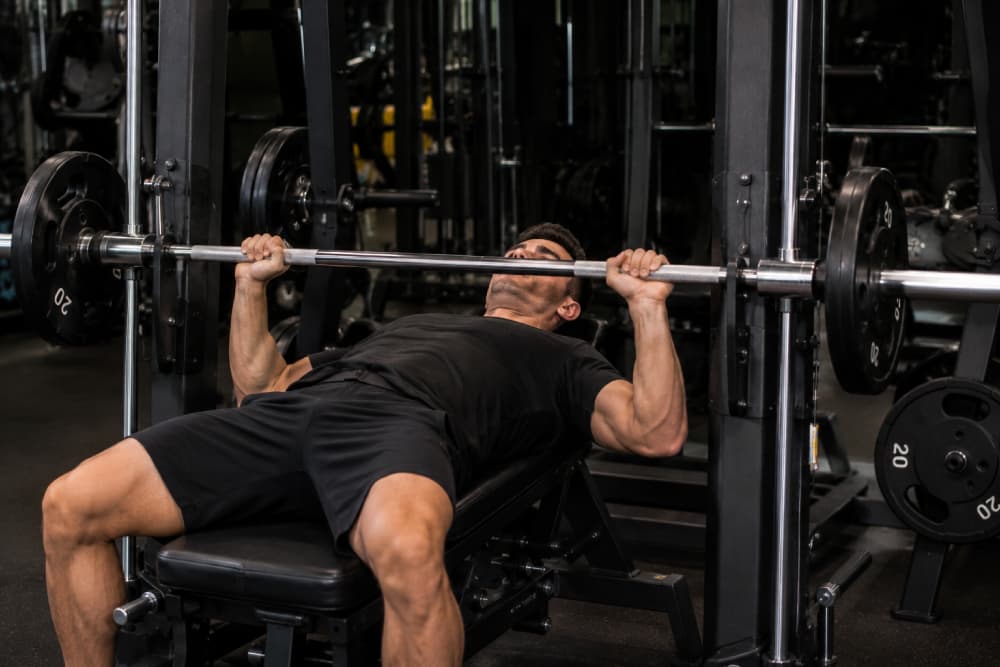
- Bench Press or Overhead Press: 3 Sets of 8-10 Reps (Push)
- Bent Over Rows or Pull-Ups: 3 Sets of 10-12 Reps (Pull)
- Resistance Band Face Pulls: 2 Sets of 15 Reps (Rear Delt/Posture)
- Core Work: Planks or Hanging Leg Raises
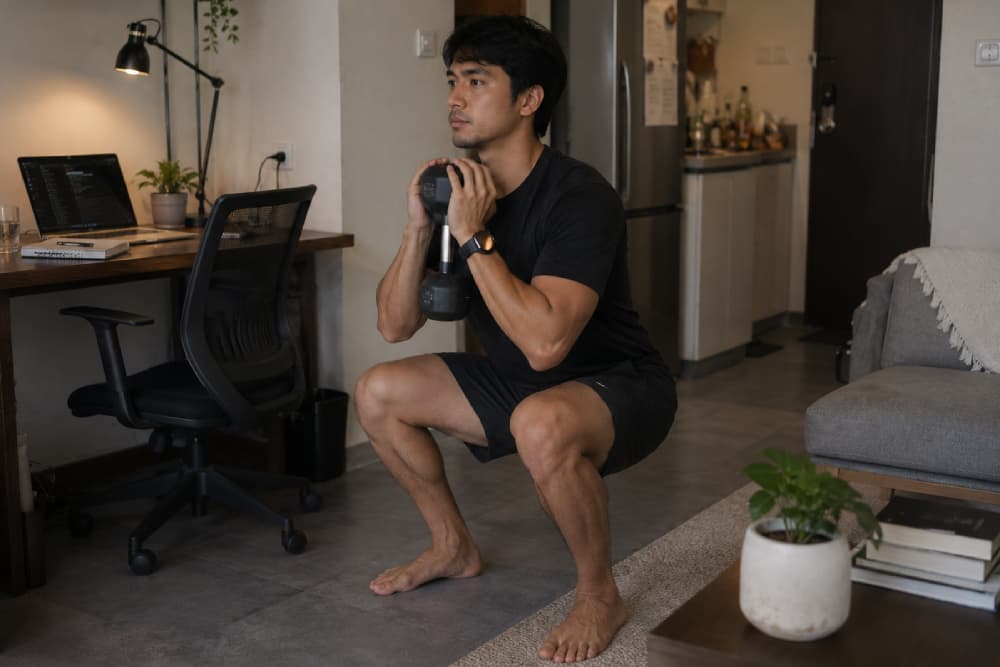
For those training in a home environment or a minimalist setup, dumbbell workouts offer a versatile way to execute these movements effectively.
Maximizing Results with Advanced Tools
While heavy iron is the gold standard for strength training, incorporating variety prevents plateaus. Tools like resistance bands are excellent for accommodating resistance—making the movement harder where you are strongest. Furthermore, explosive movements with kettlebell workouts can be integrated into your full body days to improve power output and functional stability.
The Recovery Cycle: The Missing Link
The efficacy of high-frequency training is entirely dependent on your ability to recover. Overtraining isn’t just about sore muscles; it’s a nervous system fatigue that can stall progress. Effective recovery includes proper post-workout nutrition and active recovery techniques.
To maximize full-body frequency, recovery is non-negotiable. Combine your sessions with a post-lift Jacuzzi soak or Deep Body Stretch class to hit the reset button, a facility integration only our membership provides.
Strategic use of temperature therapy can also expedite tissue repair. Research into the science of saunas suggests that heat exposure improves blood flow and growth hormone levels, while an ice bath recovery session can significantly reduce systemic inflammation after a heavy lifting day.
Frequently Asked Questions (FAQ)
Can I do a full body workout every day?
It is generally not recommended for strength training. Your muscles need at least 48 hours to repair micro-tears. Training every day without rest can lead to injury and diminished returns.
Are resistance bands enough for a full body workout?
Yes, resistance bands provide constant tension and can effectively build muscle if you follow a progressive workout plan. They are particularly useful for accessory movements and maintaining joint health.
How long should a full body session last?
A comprehensive session typically lasts 60 to 90 minutes. This includes a thorough warm-up, core compound lifts, and a cool-down period to ensure longevity and flexibility.