Key Takeaways
- Integrate mindfulness movement to significantly reduce training-induced anxiety and improve athletic performance.
- Utilize targeted breathing exercises pre-lift to calm the nervous system and enhance focus.
- Recognize that mental fitness, alongside physical training, is crucial for sustained high-performance.
- Explore specialized programs, such as our unique Mindfulness Movement class, for holistic well-being and competitive edge.
For high-performance athletes, the pursuit of physical excellence often comes with an invisible adversary: training-induced anxiety. This pervasive stress, distinct from pre-competition nerves, can hinder performance, impede recovery, and even increase injury risk. As of early 2026, progressive sports science increasingly champions a holistic approach, where mindfulness movement emerges as a powerful antidote. This article explores how integrating mindful practices, especially those involving controlled bodily awareness and core stability exercises, can lead to profound anxiety reduction and elevate an athlete’s overall mental fitness.
Understanding Training-Induced Anxiety in Athletes
The relentless demands of modern athletic training—intense schedules, performance plateaus, and the constant pressure to improve—create a fertile ground for anxiety. This isn’t merely about feeling “stressed”; it manifests physiologically as elevated heart rate, muscle tension, impaired sleep, and even digestive issues, directly compromising an athlete’s ability to train effectively and adapt positively to stressors. Left unaddressed, it can lead to burnout, decreased motivation, and chronic health problems. Recognizing these subtle signs is the first step toward building genuine resilience.
The Power of Mindfulness Movement for Anxiety Reduction
Mindfulness movement transcends simple stretching; it’s a practice where focused attention is brought to the body’s sensations, breath, and movement in the present moment. This deliberate engagement interrupts the anxiety cycle, shifting focus from future worries or past regrets to immediate, tangible experience. Practices often incorporate elements reminiscent of yoga, Tai Chi, or even specific dynamic stretching routines, all executed with a heightened sense of awareness.
How Mindful Movement Impacts the Nervous System
By consciously slowing down, coordinating breath with movement, and focusing on internal sensations, athletes activate the parasympathetic nervous system—the body’s “rest and digest” mode. This counteracts the sympathetic nervous system’s “fight or flight” response, which is often overactive in anxious states. Regular practice builds a stronger mind-body connection, fostering greater self-regulation and emotional control.
Integrating Core Stability and Mental Fitness
Many mindfulness movement practices inherently involve core stability exercises. The act of engaging the core requires precision, balance, and sustained attention, which inadvertently enhances mental focus. This dual benefit means athletes aren’t just building physical strength; they’re simultaneously cultivating a deeper sense of internal calm and improving their capacity for sustained mental effort—a cornerstone of true mental fitness.
Real-World Impact: Testimonials from High-Performance Athletes
The efficacy of our specific Mindfulness Movement class in reducing perceived stress levels among high-performance athletes is consistently reported:
“Before integrating the Mindfulness Movement class into my regimen, pre-race jitters and training plateaus felt overwhelming. Now, the sustained focus and calm I gain translate directly into better performance and faster recovery. It’s been a game-changer for my triathlon career.”
— Alex ‘The Finisher’ Chen, Olympic Triathlete hopeful
“As a powerlifter, managing stress before heavy lifts is critical. This class has given me practical tools to quiet the mind, improve my body awareness, and approach each session with a clear, focused intent. My perceived stress has dropped significantly, and my lifts have become more consistent.”
— Sarah ‘The Iron Will’ Davies, National Weightlifting Champion
Quick Guide: 3 Breathing Exercises to Calm the Nervous System Before a Heavy Lift
Before stepping under the bar or engaging in any high-intensity exertion, taking a few moments to center yourself can dramatically improve focus and reduce physiological markers of anxiety. These exercises are quick, effective, and require no special equipment:
Diaphragmatic Breathing (Belly Breathing)
Lie on your back or sit upright with one hand on your chest and the other on your abdomen. Inhale slowly through your nose, allowing your abdomen to rise while keeping your chest relatively still. Exhale slowly through pursed lips, feeling your abdomen fall. Focus on making the exhale longer than the inhale. Repeat for 3-5 minutes, concentrating solely on the sensation of your breath.
Box Breathing (4-4-4-4)
Inhale deeply through your nose for a count of four. Hold your breath for a count of four. Exhale slowly through your mouth for a count of four. Hold your breath (lungs empty) for a count of four. This creates a “box” rhythm that helps regulate heart rate and nervous system activity. Repeat 5-10 cycles.
4-7-8 Breathing
This technique, popularized by Dr. Andrew Weil, is excellent for rapid relaxation. Place the tip of your tongue against the ridge of tissue just behind your upper front teeth, and keep it there throughout the entire breathing process. Exhale completely through your mouth, making a “whoosh” sound. Inhale quietly through your nose to a mental count of four. Hold your breath for a count of seven. Exhale completely through your mouth, making a “whoosh” sound, to a count of eight. Repeat for four full breaths. The longer exhale and breath hold are key to calming the vagus nerve.
Beyond the Physical: Cultivating Holistic Mental Fitness
The journey of an athlete is not solely defined by physical prowess. True longevity and peak performance are increasingly recognized as products of robust mental fitness. By actively integrating practices like mindfulness movement into a training schedule, athletes develop a deeper self-awareness, enhance their emotional regulation, and build resilience against the inherent stresses of competition and training.
This holistic approach signifies a paradigm shift: rather than viewing anxiety as an inevitable byproduct, we see it as an opportunity for growth and mastery. It’s about empowering athletes with tools to not just endure, but thrive under pressure, ensuring they bring their best selves to every workout and every event. The emphasis on controlled, mindful practices, including targeted core stability exercises, fortifies both body and mind.
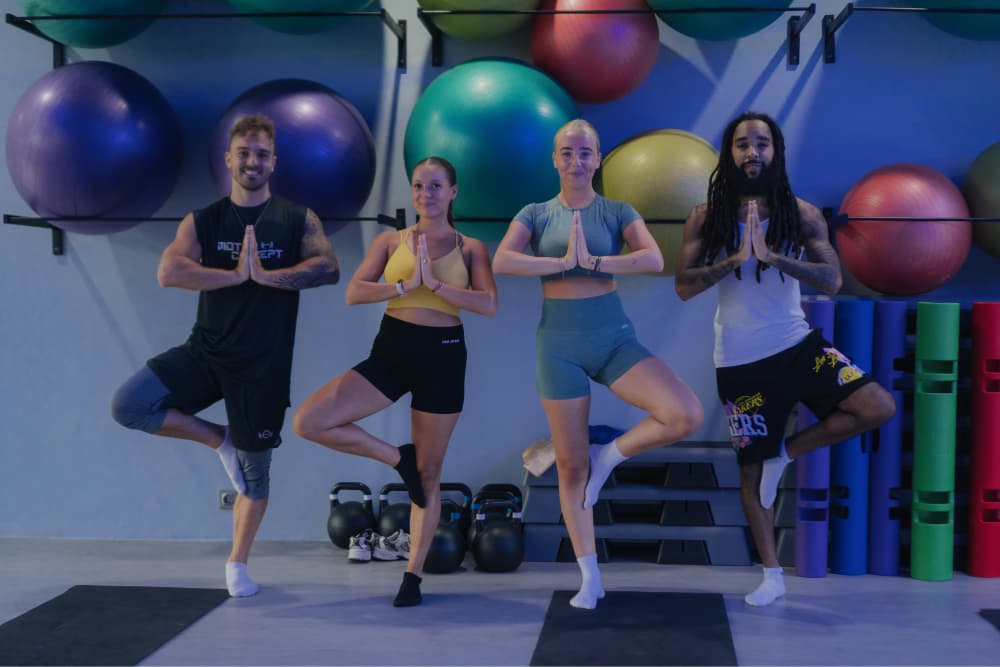
True fitness is mental, too. Our unique Mindfulness Movement class isn’t available anywhere else. It’s the necessary balance for your high-intensity race50 sessions, proving our membership is designed for your total well-being.
This bespoke program is meticulously crafted to complement your rigorous physical training, offering a sanctuary for mental recovery and strengthening your inner resolve. Investing in your mental fitness alongside your physical conditioning is the smartest move you can make for sustained peak performance.
Frequently Asked Questions (FAQ)
What is the difference between mindfulness and meditation?
Mindfulness is the practice of bringing one’s attention to the present moment without judgment, often cultivated through meditation, but can also be integrated into daily activities like mindful eating or walking. Meditation is a broader term encompassing various techniques to train attention and awareness, which may or may not include mindfulness. Mindfulness movement specifically combines mindful attention with physical activity.
How quickly can an athlete expect to see results from mindfulness movement?
While individual results vary, many athletes report experiencing noticeable shifts in their perceived stress levels and focus within a few weeks of consistent mindfulness movement practice. Significant improvements in long-term anxiety reduction and emotional regulation typically emerge over several months.
Can mindfulness movement replace traditional warm-ups or cool-downs?
Mindfulness movement can complement, but generally not replace, traditional warm-ups or cool-downs. It serves a distinct purpose in preparing the mind and body for focused effort or aiding in mental decompression post-training. It can be integrated into warm-ups for enhanced body awareness or used as a specific session for mental fitness.
Is the Mindfulness Movement class suitable for all types of athletes?
Yes, our unique Mindfulness Movement class is designed to benefit athletes across all disciplines. Whether you’re a sprinter, powerlifter, endurance athlete, or team sport player, the principles of enhanced body awareness, breath control, and anxiety reduction are universally applicable for improving performance and overall well-being.