Key Takeaways
- Prioritize immediate post-workout nutrition with protein and carbohydrates for optimal muscle repair.
- Integrate cold plunges (ice baths) strategically to reduce inflammation and accelerate recovery.
- Combine both modalities to leverage the synergistic benefits, enhancing protein synthesis and reducing DOMS.
- Tailor your recovery strategy with specific shake recipes and timing for peak performance.
Achieving peak athletic performance isn’t solely about the intensity of your training; it’s profoundly influenced by how effectively you recover. For serious athletes and fitness enthusiasts alike, optimizing post-workout recovery is paramount. This intricate process involves a strategic blend of timely nutrition and advanced physiological modalities. Among the most discussed methods for accelerating this process are nutrient intake and the increasingly popular practice of cold water immersion, also known as cold plunges or ice baths. Understanding the science behind these strategies reveals how combining them can unlock superior muscle repair and overall performance, leveraging the profound icebath benefits.
The Critical Window: Post-Workout Nutrition for Muscle Repair
Immediately following strenuous exercise, your body enters a critical anabolic window. During this period, muscle protein breakdown is elevated, and muscle glycogen stores are depleted. Optimal post-workout nutrition is essential to reverse this catabolic state and kickstart the repair and growth processes.
Understanding Anabolic Signaling
Consuming adequate protein (typically 20-40 grams, depending on body weight and training intensity) provides the necessary amino acids to initiate muscle protein synthesis (MPS). This is the biological process responsible for repairing damaged muscle fibers and building new ones. Rapidly digested proteins like whey are often favored for their swift delivery of amino acids to the muscles. Simultaneously, carbohydrate intake (around 0.8-1.2 grams per kilogram of body weight) is crucial for replenishing glycogen stores, restoring energy levels, and facilitating protein uptake into muscle cells through insulin release.
Ignoring this nutritional window can delay recovery, compromise subsequent training sessions, and ultimately impede long-term progress. The goal is to provide your body with the building blocks and energy it needs precisely when it’s most receptive.
The Power of Cold Plunges in Recovery
Cold water immersion has long been used by athletes to mitigate muscle soreness and accelerate recuperation. The benefits extend beyond subjective feelings of freshness, with growing scientific evidence supporting its physiological impact on post-workout recovery.
Physiological Responses to Cold Immersion
When you immerse your body in cold water (typically 10-15°C or 50-59°F), several physiological responses occur. The immediate vasoconstriction helps reduce blood flow to the muscles, potentially minimizing swelling and inflammation. Upon exiting the cold water, vasodilation occurs, flushing metabolic waste products and bringing fresh, oxygenated blood to the tissues. This ‘pumping’ action is thought to contribute to faster removal of inflammatory markers.
Crucially, recent scientific data, prevalent as of Rabu, 25 Februari 2026, has refined our understanding of cold exposure’s role. While acute cold exposure can transiently reduce markers of muscle protein synthesis immediately post-workout, its significant benefits in reducing delayed onset muscle soreness (DOMS) and systemic inflammation are undeniable. This reduction in DOMS allows for higher quality, more consistent subsequent training sessions, which is paramount for long-term adaptation and hypertrophy. Therefore, when strategically timed and combined with optimal nutrition, the overall effect of cold plunges on muscle repair and adaptation is largely positive.
| Recovery Modality | Primary Benefit | Key Mechanism | Typical Timing |
|---|---|---|---|
| Cold Plunge (Ice Bath) | Reduced DOMS, Anti-inflammatory effect | Vasoconstriction followed by vasodilation, reduced nerve conduction velocity | 10-30 minutes post-workout |
| Optimal Nutrition | Muscle repair, Glycogen replenishment | Amino acid delivery for MPS, carbohydrate synthesis | Immediately (0-60 minutes) post-workout |
| Active Recovery | Improved blood flow, waste removal | Low-intensity movement, gentle muscle activation | Immediately or within hours post-workout |
| Massage/Foam Rolling | Muscle stiffness reduction, increased flexibility | Myofascial release, improved local circulation | Anytime, especially pre/post-workout |
Synergistic Strategies: Combining Nutrition and Cold Plunge
The true power in accelerating muscle repair and maximizing recovery lies in the intelligent integration of both advanced nutrition and cold water immersion. Rather than viewing them as isolated practices, combining them strategically unlocks a more comprehensive approach to physiological recuperation.
Optimal Timing and Sequencing
The current understanding suggests that consuming your post-workout nutrition, especially protein and carbohydrates, should be prioritized as close to the end of your training session as possible to kickstart MPS and glycogen replenishment. If incorporating a cold plunge, it is generally recommended to perform it after your nutritional intake, or at least separate it slightly, to ensure the anabolic signaling from nutrients is not acutely blunted. A common approach is to consume your recovery shake within 30 minutes post-workout, and then take your ice bath 30-60 minutes later. This allows the initial nutritional signals to take effect while still benefiting from the anti-inflammatory and pain-reducing effects of the cold.
By reducing DOMS and inflammation, cold plunges create a more favorable environment for muscle repair, even if they slightly delay acute MPS in the immediate aftermath. The reduction in discomfort allows athletes to maintain training consistency and intensity over time, leading to superior long-term adaptations. This integrated strategy supports not just faster physical repair but also enhanced mental readiness for subsequent efforts.
Fueling Recovery: 5 High-Protein, Anti-Inflammatory Shakes
Here are five nutrient-dense, high-protein recovery shake recipes designed to provide optimal post-workout nutrition, packed with anti-inflammatory ingredients to support faster muscle repair and reduce soreness.
1. Green Powerhouse Recovery Shake
- 1 scoop vanilla or unflavored protein powder (whey or plant-based)
- 1 cup unsweetened almond milk
- 1 cup spinach
- 1/2 frozen banana
- 1 tbsp almond butter
- 1/2 tsp spirulina powder (anti-inflammatory)
- Ice as needed
2. Berry Blast Anti-Inflammatory Shake
- 1 scoop berry or vanilla protein powder
- 1 cup mixed frozen berries (blueberries, raspberries, strawberries for antioxidants)
- 1 cup unsweetened coconut water
- 1 tbsp chia seeds (omega-3s)
- 1/4 cup plain Greek yogurt (extra protein, probiotics)
- Ice as needed
3. Chocolate Peanut Butter Rebuild Shake
- 1 scoop chocolate protein powder
- 1 cup unsweetened oat milk
- 2 tbsp natural peanut butter
- 1/2 frozen banana
- 1 tbsp cocoa powder (antioxidants)
- Ice as needed
4. Tropical Turmeric Tonic
- 1 scoop vanilla or unflavored protein powder
- 1 cup frozen mango chunks
- 1/2 cup pineapple chunks
- 1 cup unsweetened coconut milk
- 1/2 inch fresh ginger, grated
- 1/2 tsp turmeric powder (powerful anti-inflammatory)
- Pinch of black pepper (enhances turmeric absorption)
- Ice as needed
5. Vanilla Almond Endurance Blend
- 1 scoop vanilla protein powder
- 1 cup unsweetened almond milk
- 1/2 cup rolled oats (complex carbs for sustained energy)
- 1 tbsp flax seeds (omega-3s)
- 1/4 cup raw almonds
- 1/2 tsp cinnamon (blood sugar regulation)
- Ice as needed
Take Action for Superior Recovery
While optimizing your post-workout nutrition and understanding the science of cold plunges provides a solid foundation, execution often requires access to dedicated facilities. The convenience and effectiveness of professional equipment can significantly elevate your recovery game, ensuring consistency and safety. Integrating these powerful strategies into your routine is a commitment to your long-term athletic success.
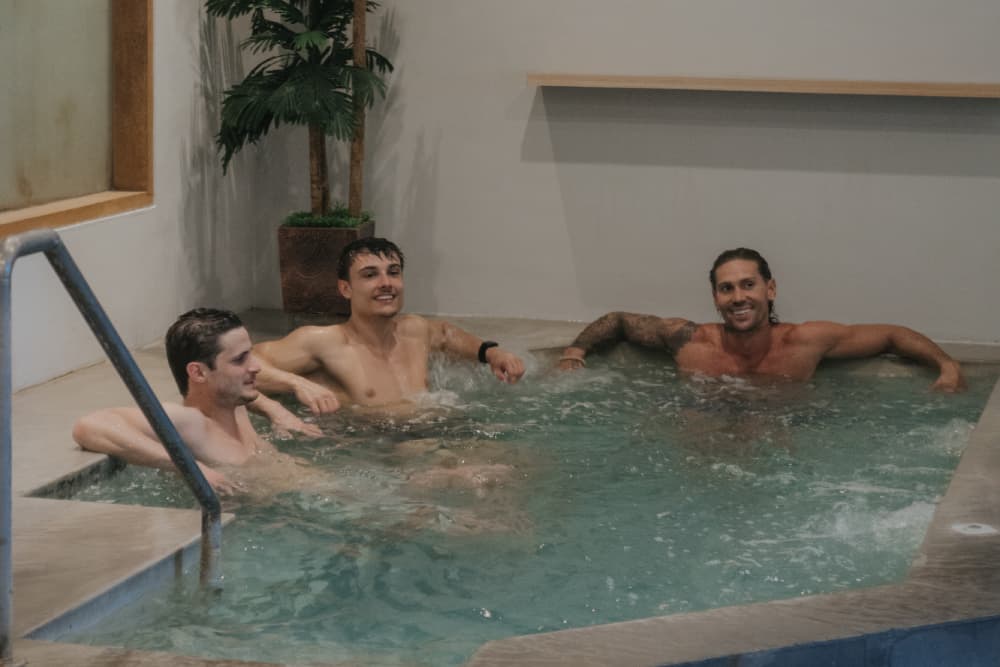
Proper nutrition is half the battle; the other half is recovery environment. Why wait for generic results? Our membership provides immediate access to professional Jacuzzi, Sauna, and Ice Bath facilities the moment your workout ends.
Invest in your body’s ability to bounce back stronger, faster, and more consistently. The synergy of expert nutritional strategies and advanced recovery modalities is the pathway to unlocking your full potential.
Frequently Asked Questions (FAQ)
How soon after a workout should I take a cold plunge?
While some athletes perform cold plunges immediately, many experts as of Rabu, 25 Februari 2026, suggest waiting 30-60 minutes after your workout, especially if you’ve consumed your recovery nutrition. This timing allows your body to initiate initial repair processes while still benefiting from reduced inflammation and soreness.
Can cold plunges hinder muscle growth?
Current research indicates that while acute cold exposure might transiently affect immediate muscle protein synthesis markers, the overall impact on long-term muscle growth is generally neutral or even positive. This is because reduced DOMS and inflammation lead to better quality subsequent training and consistent overall recovery, which are crucial for adaptation.
What should I eat immediately after a workout?
Focus on a combination of fast-digesting protein (20-40g) and rapidly absorbed carbohydrates (0.8-1.2g per kg body weight). This helps initiate muscle protein synthesis and replenish glycogen stores. A well-formulated recovery shake is often an ideal solution.
How long should I stay in an ice bath?
For most individuals, 10-15 minutes at temperatures between 10-15°C (50-59°F) is sufficient to reap the icebath benefits without excessive discomfort or risk. Always listen to your body and consult with a professional if you have any underlying health conditions.</p
Are there any risks to cold plunge recovery?
While generally safe for healthy individuals, risks include hypothermia (if exposed too long or to extreme cold), cardiovascular stress (due to vasoconstriction), and potential frostbite in extreme cases. Individuals with heart conditions, hypertension, or Raynaud’s disease should consult their doctor before attempting cold plunges.