Canggu has quietly become one of the most popular destinations for digital nomads in Southeast Asia — and for good reason. With fast Wi-Fi, great coffee, and a growing wellness culture, it’s hard to find a better base for remote workers who want to balance productivity with a healthy lifestyle.
But here’s the challenge most nomads face: staying consistent at the gym when your schedule changes week to week, your motivation depends heavily on your environment, and the Bali humidity makes even a short walk feel like a workout.
If you’ve been struggling to maintain a fitness routine while living and working in Canggu, this guide is written specifically for you — based on first-hand experience of what actually works in this environment.
Why Canggu Is Actually a Great Place to Build a Fitness Habit
Before getting into the practical steps, it’s worth acknowledging that Canggu has a unique advantage that most cities don’t: the fitness culture here is genuinely embedded in daily life.
Walk down Batu Bolong or Berawa on any given morning and you’ll see people heading to yoga, surf sessions, strength training, or a beach run. There’s a social energy around wellness in Canggu that makes it easier to stay motivated. When the people around you treat fitness as a normal part of the day — not a sacrifice — it becomes much simpler to adopt the same mindset.
That said, environment alone isn’t enough. You need a structure that works around the realities of nomad life.
Step 1: Decide What “Sustainable” Actually Means for You
The biggest mistake digital nomads make is copying a fitness routine designed for someone with a fixed schedule. A Monday-Wednesday-Friday gym program sounds great — until you have a client call on Wednesday morning and a co-working event on Friday evening.
Instead, start by asking yourself three honest questions:
How many days per week can you realistically commit to training — not on a perfect week, but on a normal one? For most nomads, three days is achievable. Two is sustainable. Five is wishful thinking.
What time of day do you have the most energy and the least scheduling conflicts? In Canggu, mornings before 10am tend to be the sweet spot. Traffic is lighter, the temperature is cooler, and gyms are quieter than they are in the late afternoon.
What kind of training do you actually enjoy? Sustainability is built on consistency, and consistency is much easier when you’re doing something you don’t dread. If you hate running on a treadmill, don’t build a routine around it. Strength training, functional fitness, HIIT, and circuit classes are all popular options in Canggu — find what fits your personality.
Step 2: Choose the Right Gym Setup for a Nomadic Lifestyle
Not all gym memberships are designed with nomads in mind. Many gyms in Bali offer long-term contracts that don’t make sense if you’re only staying three to six months. Before signing anything, look for the following:
Flexible membership options. The best gyms in Canggu offer weekly, monthly, and multi-month memberships without locking you into a year-long contract. This lets you commit to the duration of your stay without financial waste.
High-quality equipment. When you’re training consistently, equipment quality matters. A well-maintained gym with commercial-grade weights, functional training zones, and reliable air conditioning makes a real difference — especially in Bali’s heat.
A welcoming community. This is underrated but important for nomads. Gyms that attract other expats and long-term travelers tend to have a more social atmosphere, which makes showing up easier and more enjoyable.
Location relative to where you live and work. The single biggest predictor of whether you’ll stick to a gym routine is how close the gym is to your daily path. If getting to the gym requires a 30-minute scooter ride through Canggu traffic, you’ll find reasons not to go. Prioritize convenience.
Avenue Fitness Bali, located in Canggu, is one of the few gyms in the area that genuinely caters to the digital nomad demographic — with flexible memberships, premium equipment, and a community of regulars from around the world.
Step 3: Structure Your Weeks, Not Your Days
One of the most effective approaches for nomads is what fitness coaches call “week-level programming” — deciding in advance how many sessions you’ll complete each week, without rigidly assigning them to specific days.
For example: instead of deciding “I go to the gym on Monday, Wednesday, and Friday,” you decide “I go to the gym three times this week” and schedule each session based on how your actual week unfolds.
This approach has two major advantages. First, it gives you flexibility when work deadlines shift or spontaneous plans come up. Second, it removes the psychological burden of “missing” a scheduled day — because there is no missed day, only a session that moves to another time.
Here’s what a simple three-day-per-week strength program could look like for a nomad in Canggu:
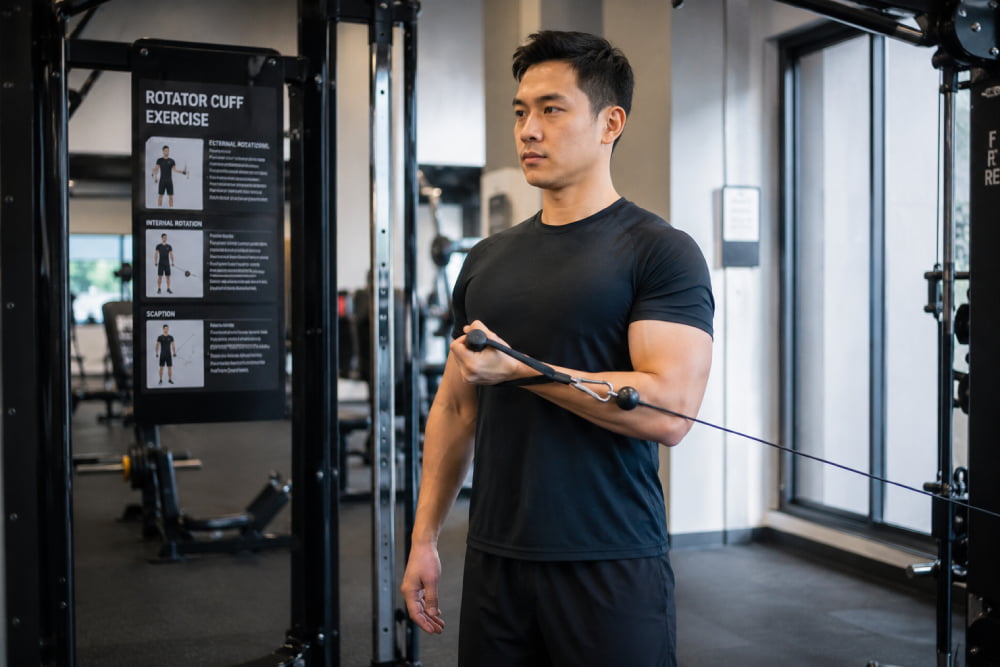
Session A (Upper Body Focus): Dumbbell bench press, cable rows, shoulder press, pull-downs, bicep curls
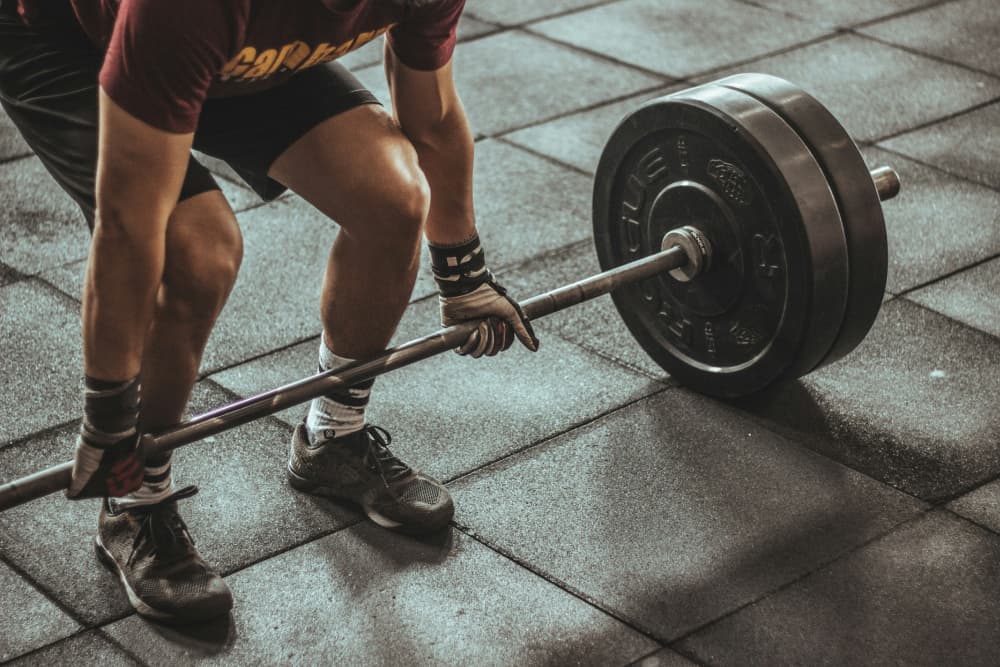
Session B (Lower Body Focus): Barbell squats or goblet squats, Romanian deadlifts, leg press, walking lunges, calf raises
Session C (Full Body or Conditioning): Compound lifts at lower intensity, kettlebell circuits, or a HIIT session
Rotate through these three in any order across the week. Rest days are flexible. Progress comes from completing the sessions consistently over weeks, not from hitting a specific schedule on specific days.
Step 4: Work With the Tropical Climate, Not Against It
Bali’s climate is one of the most common reasons nomads fall off their fitness routine — usually because they train at the wrong time of day and burn out from heat and humidity.
A few practical adjustments make a significant difference:
Train early or train inside. Morning sessions before 9am are the most comfortable for outdoor activity. For gym training, the air conditioning makes timing less critical — but early sessions tend to be quieter and easier to complete before the workday begins.
Hydrate proactively, not reactively. In Bali’s heat, you lose water faster than you feel thirsty. Drink at least 500ml of water before your session and keep a bottle with you throughout. Electrolyte drinks or coconut water after training helps replenish what you lose through sweat.
Adjust your intensity during the hottest weeks. There’s no shame in reducing volume or skipping cardio-heavy sessions during heat spikes. Consistency over weeks matters more than maximum effort in any single session. Sustainable means training in a way your body can recover from.
Allow for longer recovery times. Sleep quality, hydration, and heat all affect how quickly your body recovers between sessions. If you’re training three days a week, give yourself at least one full rest day between sessions, particularly in the first few weeks while your body adapts to the climate.
Step 5: Combine Gym Training With What Canggu Already Offers
One of the advantages of being based in Canggu is that fitness opportunities exist well beyond the gym. A sustainable routine doesn’t have to be exclusively gym-based — and for many nomads, incorporating other activities actually improves long-term adherence.
Surfing is the obvious choice. Even a beginner session burns significant calories and builds functional strength in the core, shoulders, and legs. Most surf schools at Echo Beach and Batu Bolong offer beginner-friendly rentals and lessons.
Beach or rice field walks make for low-intensity active recovery that also clears the mind after long work sessions. A 30-minute walk in the early morning or evening is genuinely restorative.
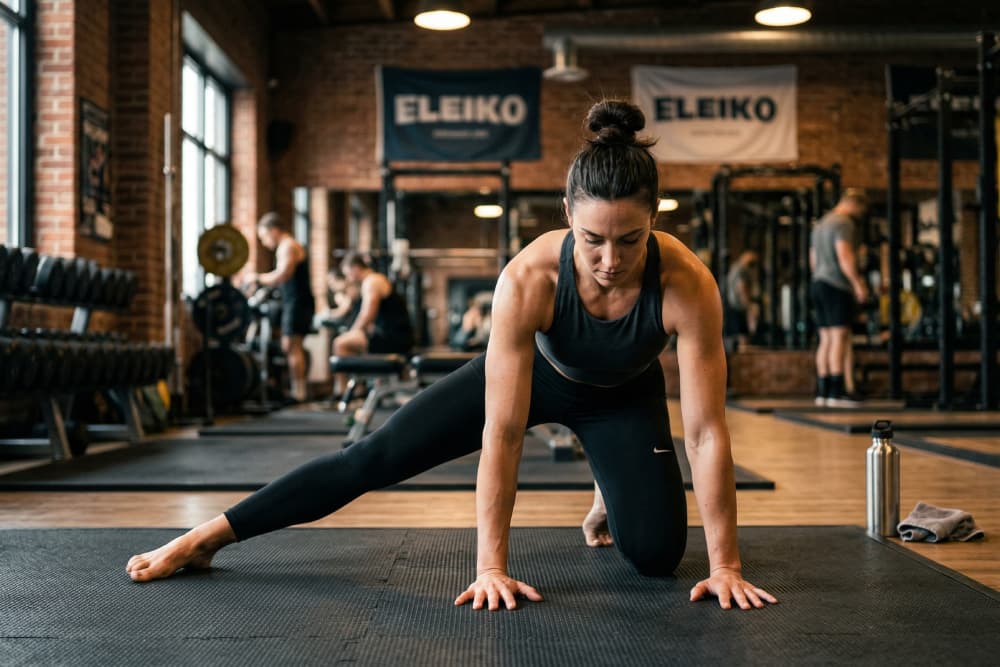
Yoga is widely available in Canggu at multiple price points, from budget drop-in studios to more premium classes. A once-weekly yoga session pairs well with a strength training program — improving mobility and flexibility that weight training alone doesn’t address.
Cycling is underused but practical for shorter distances. Riding to the gym, to a café, or along the beach road is both functional transport and low-impact cardio.
The goal is to build a lifestyle that supports fitness broadly, not a rigid program that lives and dies by gym attendance alone.
Step 6: Track Progress Without Obsessing Over It
Digital nomads are often high achievers who apply their work productivity mindset to fitness — which can lead to over-tracking, over-analyzing, and eventual burnout.
Keep tracking simple:
Log your gym sessions in a note on your phone. Date, exercises, weights, and sets. This takes two minutes and gives you enough data to see progress over months.
Take monthly photos or measurements if aesthetics are part of your goal. The mirror is honest in ways that bodyweight isn’t — muscle gain and fat loss can happen simultaneously without the scale reflecting it.
Celebrate adherence, not perfection. If you complete 10 gym sessions in a month with a goal of 12, that’s a win — not a failure. Sustainable progress comes from doing enough consistently, not from doing everything perfectly.
What to Expect in the First 30 Days
The first month of building a gym routine in Canggu as a digital nomad typically looks like this:
Week 1: Everything feels harder than expected. Your body is adjusting to the climate, the new exercises, and the schedule. This is normal. Focus only on showing up — not on performance.
Week 2: You start to find your rhythm. You know where things are in the gym. You have a rough sense of what weights to use. The sessions feel less foreign.
Week 3: You notice small physical changes — maybe slightly more energy, better sleep, less tension in your shoulders from desk work. This is the motivational turning point for most people.
Week 4: The habit is forming. The gym feels like part of your routine rather than a decision you have to make each day.
From here, the challenge shifts from starting to maintaining. The key is not to increase intensity too rapidly, not to add too many sessions before you’ve solidified three, and not to let occasional missed days become a reason to quit.
Final Thoughts: Fitness in Canggu Is More Accessible Than You Think
Building a sustainable fitness routine as a digital nomad in Canggu doesn’t require rigid discipline or an expensive personal trainer. It requires an honest assessment of your schedule, a gym that fits your lifestyle, a simple program you can repeat consistently, and a willingness to work with the environment rather than fight it.
Canggu offers all the ingredients — the culture, the facilities, the community, and the environment — for a fitness routine that actually sticks. The rest is showing up.
If you’re looking for a gym in Canggu that understands the nomad lifestyle, Avenue Fitness Bali offers flexible memberships with no long-term commitment, premium equipment, and a welcoming community of like-minded members from around the world.